Common Repairs to Case Windows in Scotland: Tips for Preservation and Performance
Historic sash and case windows are one of Scotland’s most charming architectural features, found throughout tenements, townhouses, and traditional homes. But their elegant appearance and traditional operation come with a responsibility: regular maintenance and periodic repairs to keep them functional, weather-tight, and energy efficient. In this post, we explore the most common issues Scottish homeowners encounter with their sash and case windows — and how these problems are typically repaired.
1. Timber Decay and Rot Repairs
One of the most frequent repair needs for traditional sash windows in Scotland is timber decay — especially around window sills, bottom rails, and meeting rails. Scotland’s damp climate accelerates moisture ingress where paint has failed, leaving the exposed wood vulnerable to wet rot. Early signs may include soft wood, discoloration, or cracking paint. If left unchecked, rot can spread and warp surrounding components, restricting movement and weakening its structure.
Repair methods vary depending on severity. Small areas of decay can often be treated with Dutchman repairs, where the decayed section is cut away and replaced with matching timber. For more advanced decay, complete sill replacements or epoxy consolidation may be necessary before repainting to protect against future moisture.
2. Broken or Worn Sash Cords and Balancing
Traditional sash windows operate on a counterbalance system: heavy timber sashes are suspended on cords over pulleys with weights hidden inside the window case. Over time, these sash cords can fray, snap, or wear, leaving the sash difficult to raise or causing it to slam shut unexpectedly — a safety risk.
Repair involves removing the sash from the case, replacing old cords with new waxed-cotton or synthetic options, and rebalancing the weights to ensure smooth, stable movement. Some modern repairs include installing Simplex-style fittings that allow the bottom sash to tilt inwards for safer cleaning — useful in multi-storey flats.
3. Draughts and Poor Thermal Performance
One of the most commonly reported issues with traditional sash and case windows is draught infiltration — cold air entering through gaps around the sashes and frame. This not only reduces comfort but increases heating costs in Scottish winters.
To improve thermal performance, craftsmen often install draught-proofing systems. These involve routing discreet grooves into parting and staff beads and fitting brush seals or compression strips, which reduce rattles and heat loss while preserving the window’s original look.
In more advanced cases, slimline double glazing can be fitted into original sashes, modernising insulation without compromising heritage value — though this may require careful planning consent in conservation areas.
4. Glazing and Putty Repair
Cracked or broken panes and failed putty are another frequent issue. Once the glazing putty hardens and cracks, water can infiltrate, accelerating decay and allowing rattles and draughts.
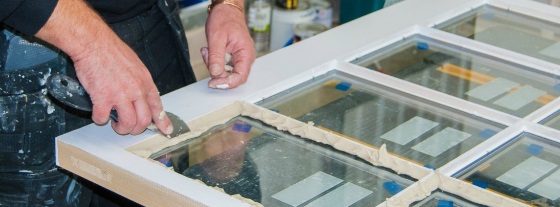
Glazing repair typically involves removing the old brittle putty, replacing broken panes with matching glass, and re-puttying before painting. For heritage windows, this may also mean sourcing traditional glass types or ensuring any replacements match the character of the original.
5. Hardware Wear: Pulleys, Catches, and Locks
Window ironmongery — such as pulley wheels, catches, and locks — wears out with frequent use or can corrode in Scotland’s often moist conditions. When pulley wheels seize or locks fail, windows can become difficult to operate or insecure.
Repairing or replacing these components restores ease of use and safety. Many restoration services replace old hardware with new, heritage-style fittings that maintain period authenticity while improving reliability.
6. Repainting and Surface Protection
Protective finishes matter. Paint not only provides aesthetic appeal but also seals timber against moisture ingress — one of the main culprits in rot and decay.
Regular repainting (typically every 5–10 years) ensures that joints and edges remain sealed, slowing the onset of decay and prolonging the life of earlier repair work. High-quality, microporous paints are recommended, as they allow trapped moisture to escape while still protecting the wood.
Preserve and Maintain Your Heritage Windows
Sash and case windows are not just functional elements — they’re a key part of Scotland’s architectural heritage. While they do require more maintenance and occasional specialist repair than modern uPVC units, proper care preserves their charm and performance for generations. From rot repairs and sash cord replacements to draught-proofing and glazing work, understanding common repair needs helps homeowners prioritise investment and maintenance. Regular inspection, early intervention, and professional craftsmanship are the best guarantees that your windows continue to look beautiful and function reliably through Scotland’s challenging weather