Sash and Case Windows Scotland
If you walk through the New Town of Edinburgh or the leafy West End of Glasgow, you are witnessing a masterclass in architectural heritage. At the heart of this aesthetic are the timber sliding sash and case windows. Often referred to as the “eyes” of a building, these windows are more than just functional openings; they are essential to the character and soul of Scotland’s historic homes.
In 2026, as we move toward more sustainable living without sacrificing our cultural identity, timber sash windows are experiencing a significant resurgence. Here is why they remain the gold standard for Scottish homeowners.
Preserving Scotland’s Architectural Heritage
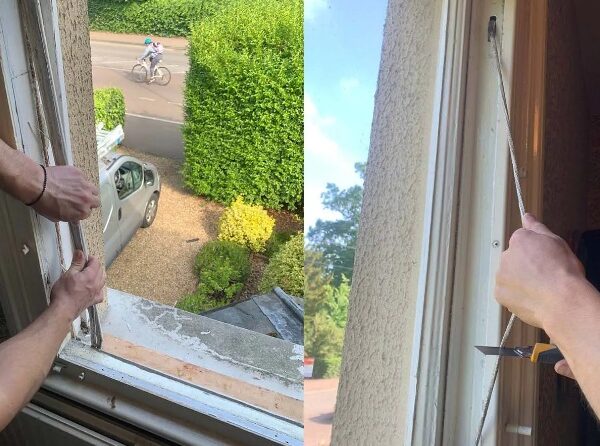
Traditional sash and case windows have been a staple of Scottish architecture since the late 17th century. Unlike modern casement windows, the sliding mechanism—counterbalanced by lead weights on a cord—allows for versatile ventilation and a slim, elegant profile that matches the vertical proportions of Georgian, Victorian, and Edwardian properties.
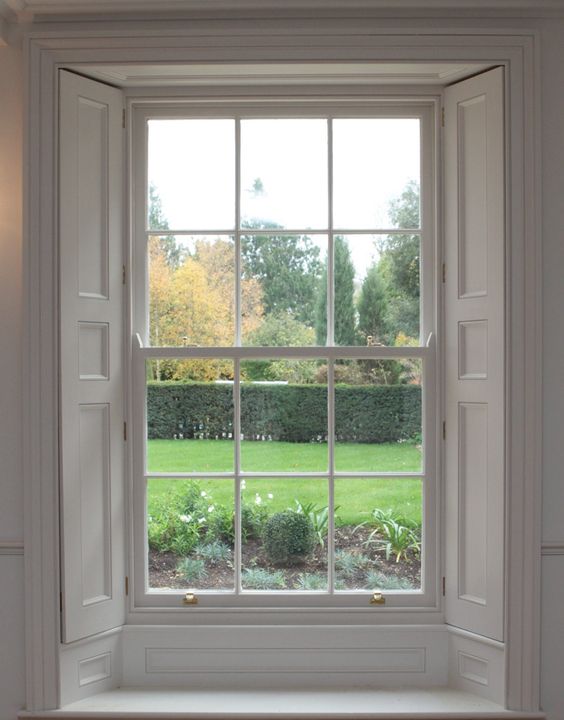
For those living in one of Scotland’s many Conservation Areas or Listed Buildings, timber is often the only permissible material. While planning regulations have seen a slight softening in recent years to allow for high-quality alternatives in unlisted buildings, timber remains the preferred choice for its authenticity and ability to hold value.
The 2026 Shift: Thermal Performance Meets Tradition
Historically, sash windows were synonymous with “draughty.” However, modern engineering has transformed their performance. Today’s timber sliding sash and case windows in Scotland are designed to withstand the harshest North Sea winds and Atlantic rain.
- Advanced Glazing: Ultra-slim double glazing (often called “heritage glass”) allows for thermal efficiency that meets 2026 building standards while fitting into original thin-profile frames.
- Draught-Proofing: Integrated weather-stripping and brush seals eliminate the rattles and cold spots typical of older units.
- High-Spec Timber: The use of engineered timbers like Accoya ensures that the frames do not warp, rot, or twist, even in Scotland’s damp climate.
Planning and Regulations in Scotland
Navigating Scottish planning laws can be complex. As of the latest updates in 2024 and 2025, many homeowners in conservation areas now benefit from Permitted Development Rights for rear-facing windows. However, for the “principal elevation” (the front of your house), you will likely still need to follow a “prior notification” process with your local council.
Choosing timber ensures your application is much more likely to be approved. It demonstrates a commitment to maintaining the “like-for-like” appearance that Scottish planners value so highly.
Sustainability and Longevity
In an era of environmental consciousness, timber is the ultimate sustainable choice. Unlike uPVC, which is derived from plastics and often ends up in landfills after 20 years, a well-maintained timber sash window can last well over a century.
Furthermore, timber is a natural insulator. By upgrading to modern timber sash windows, you can achieve a U-value of 1.4 W/m²K or lower, significantly reducing your heating bills and carbon footprint—a vital consideration as Scotland pushes toward Net Zero.
Maintenance: A Shrewd Investment
While timber requires more maintenance than plastic—typically a fresh coat of paint every 8 to 10 years—it is an investment that pays off. Quality timber windows are a major selling point in the Scottish property market, often adding more value to a home than the cost of the installation itself.
Timber sliding sash and case windows are a testament to the fact that you don’t have to choose between history and comfort. Whether you are restoring a sandstone tenement or upgrading a rural cottage, timber provides the warmth, security, and elegance that defines Scottish living.