Quiet, Warm, and Protected: The Benefits of Secondary Glazing in Scotland’s Towns and Cities
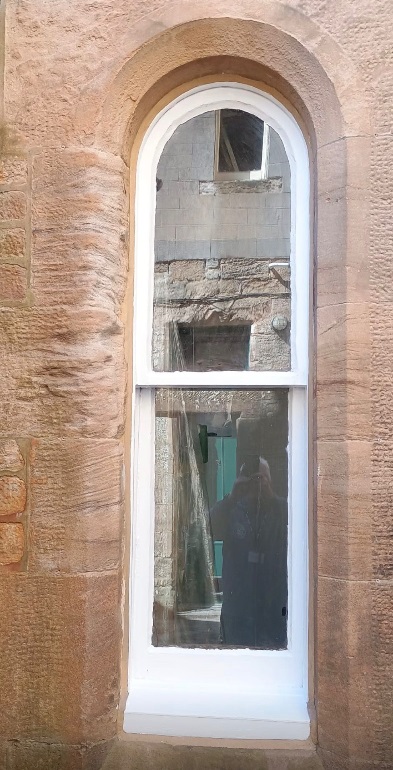
From the grand Victorian tenements of Glasgow’s West End to the iconic Georgian terraces of Edinburgh’s New Town, Scotland’s urban architecture is world-renowned. However, living in these beautiful period properties often comes with a frosty trade-old: the “Scottish draft.”
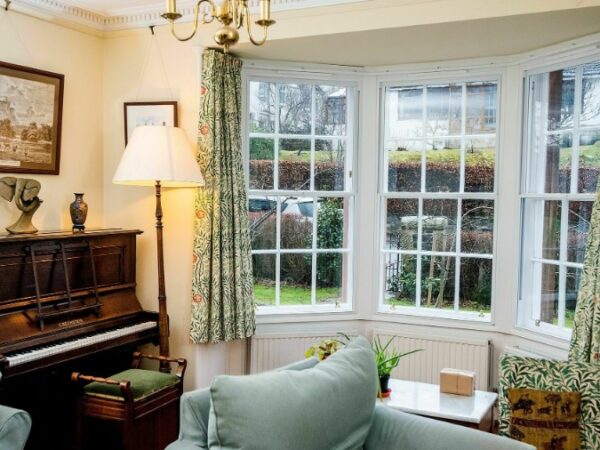
Traditional secondary glazing for sash and case windows are a vital part of our heritage, but they aren’t always built for modern energy standards or the hustle and bustle of 21st-century city life. This is where secondary glazing has become a game-changer for Scottish homeowners.
Here are five reasons why installing secondary glazing is the smartest upgrade for homes across Scotland’s towns and cities.
1. Superior Thermal Insulation for Scottish Winters
We all know how biting a Scottish winter can be. Single-glazed windows are notorious for heat loss, often accounting for up to 20% of a home’s total warmth escaping.
By fitting a discreet internal pane, secondary glazing creates an insulating layer of air between the original window and the new glass. This can reduce heat loss by as much as 65%. In an era of rising energy costs, this doesn’t just make your living room more comfortable; it significantly lowers your annual heating bills.
2. A Shield Against Urban Noise
Scotland’s cities are vibrant, but they can be loud. Whether it’s the rumble of the Glasgow Subway, the late-night footfall during the Edinburgh Festival, or general traffic on a busy A-road, noise pollution affects sleep and wellbeing.
Secondary glazing is actually more effective at soundproofing than standard double glazing. Because there is a larger air gap between the two panes of glass, it acts as a highly efficient acoustic barrier, reducing external noise by up to 80%. It transforms a city-center flat into a peaceful sanctuary.
3. Preservation of Historic Character
If you live in a Listed Building or a Conservation Area, replacing your windows can be a planning nightmare. Historic Environment Scotland and local councils often require “like-for-like” replacements, which are expensive and sometimes technically impossible with modern double glazing.
Secondary glazing is the “Conservation Officer’s choice.” Because it is installed on the interior and doesn’t involve removing the original window, it usually does not require planning permission. You get to keep your beautiful original sash and case windows while enjoying modern performance.
4. Eliminating Condensation and Damp
Old Scottish homes often struggle with condensation, which leads to mold and damage to timber frames. Secondary glazing creates a thermal barrier that prevents the inner pane from becoming as cold as the outer one. This significantly reduces the “dew point” on the glass, keeping your home drier and protecting your interior decor from moisture damage.
5. Enhanced Security and Cost-Effectiveness
Adding a second internal window creates an extra physical barrier that is difficult for intruders to bypass. Beyond security, it is also a budget-friendly alternative. On average, secondary glazing is 50% cheaper to install than full double glazing, and because it requires no structural changes, the installation is often completed in a single day with minimal mess.
Final Thoughts
For many in Scotland, the choice isn’t just about saving money—it’s about comfort. Secondary glazing offers a way to enjoy the best of both worlds: the timeless aesthetic of Scottish architecture and the cozy, quiet environment of a modern home.
Historic sash and case windows are one of Scotland’s most charming architectural features, found throughout tenements, townhouses, and traditional homes. But their elegant appearance and traditional operation come with a responsibility: regular maintenance and periodic repairs to keep them functional, weather-tight, and energy efficient. In this post, we explore the most common issues Scottish homeowners encounter with their sash and case windows — and how these problems are typically repaired.
1. Timber Decay and Rot Repairs
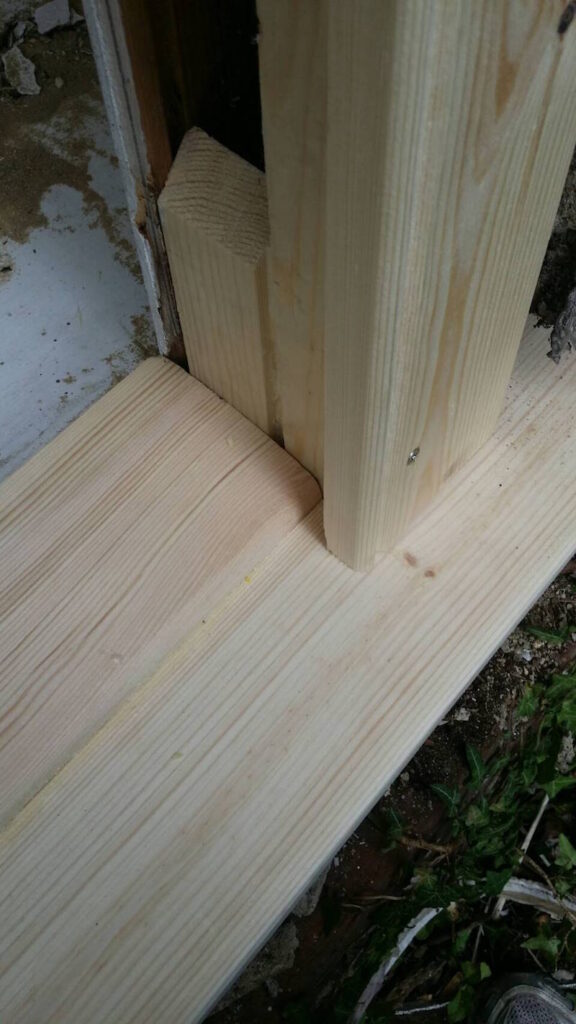
One of the most frequent repair needs for traditional sash windows in Scotland is timber decay — especially around window sills, bottom rails, and meeting rails. Scotland’s damp climate accelerates moisture ingress where paint has failed, leaving the exposed wood vulnerable to wet rot. Early signs may include soft wood, discoloration, or cracking paint. If left unchecked, rot can spread and warp surrounding components, restricting movement and weakening its structure.
Repair methods vary depending on severity. Small areas of decay can often be treated with Dutchman repairs, where the decayed section is cut away and replaced with matching timber. For more advanced decay, complete sill replacements or epoxy consolidation may be necessary before repainting to protect against future moisture.
Common Repairs to Case Windows in Scotland: Tips for Preservation and Performance
2. Broken or Worn Sash Cords and Balancing
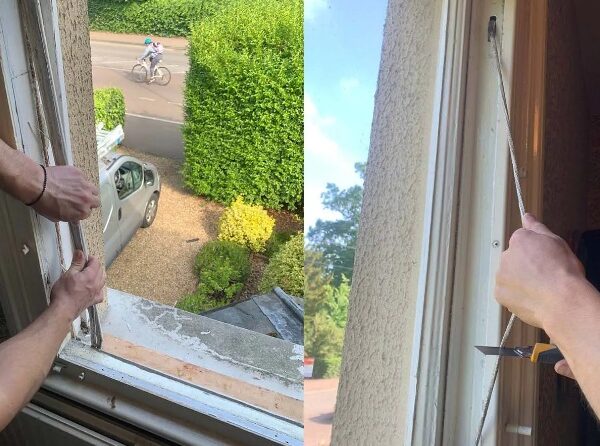
Traditional sash windows operate on a counterbalance system: heavy timber sashes are suspended on cords over pulleys with weights hidden inside the window case. Over time, these sash cords can fray, snap, or wear, leaving the sash difficult to raise or causing it to slam shut unexpectedly — a safety risk.
Repair involves removing the sash from the case, replacing old cords with new waxed-cotton or synthetic options, and rebalancing the weights to ensure smooth, stable movement. Some modern repairs include installing Simplex-style fittings that allow the bottom sash to tilt inwards for safer cleaning — useful in multi-storey flats.
3. Draughts and Poor Thermal Performance
One of the most commonly reported issues with traditional sash and case windows is draught infiltration — cold air entering through gaps around the sashes and frame. This not only reduces comfort but increases heating costs in Scottish winters.
To improve thermal performance, craftsmen often install draught-proofing systems. These involve routing discreet grooves into parting and staff beads and fitting brush seals or compression strips, which reduce rattles and heat loss while preserving the window’s original look.
In more advanced cases, slimline double glazing can be fitted into original sashes, modernising insulation without compromising heritage value — though this may require careful planning consent in conservation areas.
4. Glazing and Putty Repair
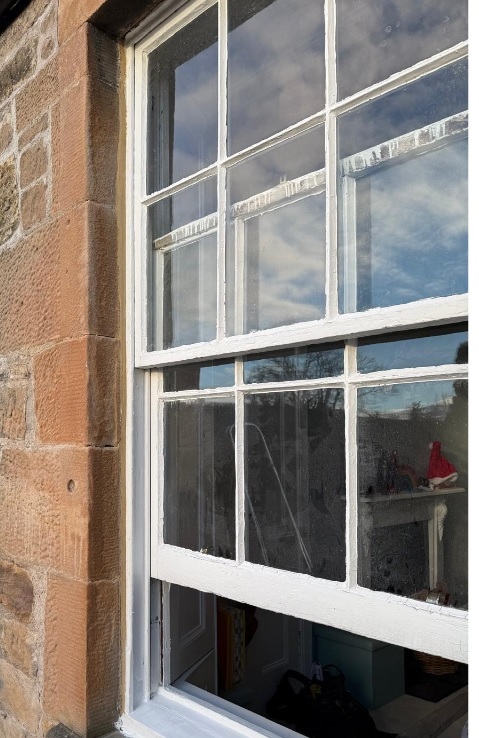
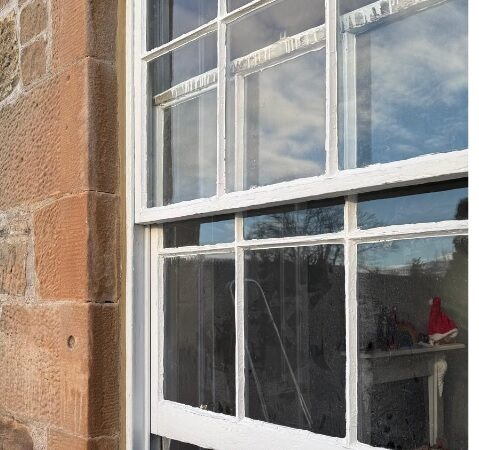
Cracked or broken panes and failed putty are another frequent issue. Once the glazing putty hardens and cracks, water can infiltrate, accelerating decay and allowing rattles and draughts.
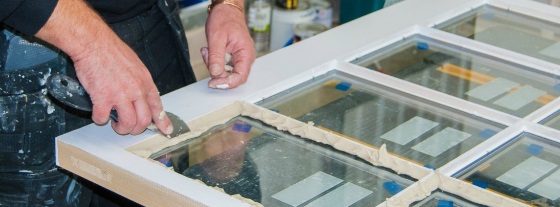
Glazing repair typically involves removing the old brittle putty, replacing broken panes with matching glass, and re-puttying before painting. For heritage windows, this may also mean sourcing traditional glass types or ensuring any replacements match the character of the original.
5. Hardware Wear: Pulleys, Catches, and Locks
Window ironmongery — such as pulley wheels, catches, and locks — wears out with frequent use or can corrode in Scotland’s often moist conditions. When pulley wheels seize or locks fail, windows can become difficult to operate or insecure.
Repairing or replacing these components restores ease of use and safety. Many restoration services replace old hardware with new, heritage-style fittings that maintain period authenticity while improving reliability.
6. Repainting and Surface Protection
Protective finishes matter. Paint not only provides aesthetic appeal but also seals timber against moisture ingress — one of the main culprits in rot and decay.
Regular repainting (typically every 5–10 years) ensures that joints and edges remain sealed, slowing the onset of decay and prolonging the life of earlier repair work. High-quality, microporous paints are recommended, as they allow trapped moisture to escape while still protecting the wood.
Preserve and Maintain Your Heritage Windows
Sash and case windows are not just functional elements — they’re a key part of Scotland’s architectural heritage. While they do require more maintenance and occasional specialist repair than modern uPVC units, proper care preserves their charm and performance for generations. From rot repairs and sash cord replacements to draught-proofing and glazing work, understanding common repair needs helps homeowners prioritise investment and maintenance. Regular inspection, early intervention, and professional craftsmanship are the best guarantees that your windows continue to look beautiful and function reliably through Scotland’s challenging weather
The Importance of Maintaining Burnt Sand Mastic on Timber Sash and Case Windows
Timber sash and case windows have long been a hallmark of architectural elegance and craftsmanship. These windows offer an undeniable charm and a deep connection to historical architecture, particularly in older homes and listed buildings. A key element of these windows is the mastic, a putty-like compound used to seal the glazing into the timber frame. Burnt sand mastic, traditionally used for this purpose, is an essential part of maintaining the integrity of these classic windows. This article delves into why maintaining burnt sand mastic is crucial to preserving timber sash and case windows and how it can help extend their lifespan, improve energy efficiency, and retain the historical value of your property.
1. Protecting the Glazing and Preventing Water Damage
One of the primary roles of burnt sand mastic is to act as a weatherproof seal between the glass panes and the timber sash frame. When properly applied and maintained, this mastic prevents moisture from seeping into the window frame and damaging the wood. Timber is highly susceptible to water damage, which can lead to rot, warping, and deterioration over time. Burnt sand mastic creates a watertight barrier, ensuring that rainwater, humidity, and condensation do not penetrate the window frame.
If the mastic becomes cracked or brittle due to weathering, it will no longer offer the same level of protection. Water can then seep through the gaps, leading to potential damage to both the timber and the glazing. Regular maintenance of the burnt sand mastic ensures that the window continues to perform its protective role, preventing costly repairs and extending the life of the window.
Burnt Sand Mastic Fitters Stirling, Scotland
2. Preserving the Timber’s Integrity
The structural integrity of timber sash and case windows is directly linked to the condition of the mastic. When the burnt sand mastic is intact and properly maintained, it prevents water from infiltrating the timber, which in turn helps preserve the wood’s structural integrity. Over time, if the mastic begins to degrade, water can damage the wood, leading to rot and weakening the overall structure of the window.
Maintaining the mastic involves checking for cracks, gaps, or signs of shrinkage. In cases where the mastic has deteriorated, reapplication is necessary to prevent further damage. Without proper maintenance, the timber frame may require more extensive restoration work, which can be both costly and time-consuming. By ensuring the burnt sand mastic remains in good condition, you can avoid the need for significant repairs and preserve the structural integrity of the window.
3. Enhancing Energy Efficiency
Burnt sand mastic plays a key role in enhancing the energy efficiency of timber sash and case windows. A well-sealed window helps to prevent drafts and heat loss, improving insulation and reducing the reliance on heating systems. Poorly maintained mastic, however, can allow cold air to enter and warm air to escape, making your home less energy-efficient.
When the mastic becomes brittle or damaged, it creates gaps that compromise the window’s seal. As a result, you may notice higher energy bills as your heating system works harder to maintain a comfortable temperature. Regularly inspecting and maintaining the burnt sand mastic can help keep your windows properly sealed, ensuring that they continue to contribute to a more energy-efficient home. In the long run, this not only helps lower utility costs but also reduces your environmental footprint.
4. Maintaining the Aesthetic Appeal
Timber sash windows are known for their traditional beauty and charm, and the condition of the mastic plays a significant role in maintaining this aesthetic appeal. When burnt sand mastic is left to degrade, it can lead to unsightly cracks and gaps around the glazing. This not only affects the visual appeal of the windows but can also create a shabby, neglected appearance that diminishes the overall look of your property.
By ensuring that the burnt sand mastic remains intact and well-maintained, you help preserve the window’s clean, smooth appearance. This attention to detail can make a big difference in how your windows—and, by extension, your home—look. Whether you’re renovating an old property or maintaining a historic one, keeping the mastic in good condition is essential for preserving the aesthetic value of the windows and, by extension, the property as a whole.
5. Avoiding Costly Repairs and Replacements
When burnt sand mastic is properly maintained, the need for costly repairs and replacements is minimized. As with any feature of a home, neglecting regular upkeep can lead to more serious problems down the line. If mastic is not maintained and cracks develop, water can seep in, causing significant damage to both the glass and the timber frame. This can result in the need for more expensive restoration work, including the replacement of timber sections or even the entire window frame.
Routine inspection of the mastic, along with prompt reapplication when needed, can save homeowners substantial amounts of money by preventing extensive damage from occurring. The cost of replacing the mastic is relatively low, especially when compared to the cost of replacing or restoring damaged windows. Regular maintenance is a proactive approach to safeguarding the value of your timber sash windows and protecting your investment.
6. Retaining the Historical Value of the Property
For homes in conservation areas, listed buildings, or heritage sites, maintaining the authenticity of period features like timber sash windows is essential. Burnt sand mastic, being part of the original construction, plays an important role in maintaining the historical accuracy of these windows. In some cases, replacing the mastic with modern materials can detract from the building’s original character, which may not be acceptable in areas governed by strict planning regulations.
Properly maintaining the burnt sand mastic ensures that the windows remain true to their original form, preserving the historical and architectural integrity of the building. This is especially important for properties that are subject to heritage protection laws or for those looking to retain the value of period features when selling or renting. Well-maintained windows not only enhance the property’s appeal but also contribute to its status and value as a historically significant building.
7. Preventing Pest Infestations
In addition to moisture, cracks in the burnt sand mastic can also allow pests such as insects, birds, or rodents to enter the window cavity. These pests can cause significant damage to the timber, and in some cases, they may even lead to more serious infestations within the building itself. The mastic serves as a barrier to these pests, helping to protect the structure of the window as well as the broader integrity of the building.
By regularly maintaining the mastic, you are ensuring that any potential entry points for pests are sealed, which reduces the likelihood of infestations. This can save you from costly pest control treatments and the need for structural repairs caused by pest damage.
8. Improved Functionality and Ease of Operation
Maintaining the burnt sand mastic ensures that the windows remain functional and easy to operate. When the mastic is well-applied, it helps to secure the glazing in place, preventing the glass from shifting or becoming loose over time. This contributes to the smooth operation of the sash mechanism, allowing the windows to slide open and closed with ease.
If the mastic is allowed to deteriorate, it can cause the glazing to shift or become loose, leading to operational issues with the window. Keeping the mastic in good condition helps maintain the window’s overall functionality, ensuring that it continues to work properly and smoothly.
Maintaining burnt sand mastic on timber sash and case windows is essential for the preservation, functionality, and energy efficiency of these classic architectural features. Regular care ensures the windows are protected from water damage, pests, and wear, which ultimately helps extend their lifespan and preserve their aesthetic and historical value. With proper maintenance, you can avoid costly repairs, improve energy efficiency, and retain the charm and authenticity of your property. By investing in the upkeep of the burnt sand mastic, you are not only protecting a key component of your home but also ensuring that your windows continue to enhance the beauty and functionality of your property for years to come.
Why You Should Maintain Timber Sash and Case Windows: A Guide to Long-Term Care
Timber sash and case windows, known for their charm and traditional elegance, are a feature in many historic and heritage properties. These windows are an iconic part of architectural history and, when maintained correctly, can continue to add value, character, and functionality to a building for decades. However, like any feature made of wood, they require regular care and attention to maintain their structural integrity, aesthetic appeal, and energy efficiency.
1. Preserving Architectural Integrity
One of the most compelling reasons to maintain timber sash and case windows is to preserve the historical value of a building. These windows are often a key element in period homes, listed buildings, and conservation areas. Regular upkeep ensures that these iconic features remain true to their original design, which is crucial for maintaining the character of a property. In many cases, restoring these windows to their original condition rather than replacing them is a more desirable option, particularly in areas where planning regulations protect historical buildings.
2. Improved Energy Efficiency
Timber sash windows can be surprisingly energy-efficient, especially when properly maintained. Over time, the seals around the window frames and sashes can deteriorate, leading to drafts, air leaks, and poor insulation. Regular maintenance—such as replacing worn-out seals, lubricating sash cords, and ensuring the window operates smoothly—can prevent these issues and improve the window’s overall performance. Properly maintained sash windows can help keep heat in during the winter and cool air inside during the summer, reducing the need for artificial heating and cooling, which ultimately lowers energy bills.
3. Enhancing Aesthetic Appeal
Timber sash windows, with their classic style and natural wood finish, offer an unmatched aesthetic appeal that modern uPVC windows simply cannot replicate. The beauty of the wood, combined with the functionality of the sash mechanism, adds a timeless elegance to both the interior and exterior of a home. Regular care, such as repainting or re-staining the wood, prevents it from weathering or cracking, thus maintaining the window’s aesthetic appeal. Whether you choose a traditional finish or a more contemporary one, the visual appeal of well-maintained timber windows can significantly enhance the overall look of your property.
4. Longevity and Durability
Timber sash and case windows, when properly maintained, can last for many decades—sometimes even centuries. Unlike other materials, timber can be repaired and restored relatively easily, which means that even with aging windows, you can extend their lifespan significantly. Regular maintenance can prevent costly repairs or the need for window replacement. Simple tasks like checking the condition of the glazing putty, cleaning the tracks, or addressing any signs of rot early on can help your windows last longer, allowing you to enjoy them for generations to come.
5. Reducing Environmental Impact
Maintaining timber windows rather than replacing them is an environmentally friendly choice. Timber is a renewable resource, and if managed sustainably, it can have a minimal environmental impact. Replacing timber windows with modern alternatives often results in unnecessary waste, as the old windows are discarded, and manufacturing new windows consumes additional resources. By choosing to maintain your timber sash windows, you contribute to reducing the environmental footprint of your home renovation projects.
6. Cost-Effective Solution
While the initial investment in timber sash windows may be higher than other materials, maintaining them over the years can prove to be a more cost-effective option in the long run. Instead of paying for costly replacements or repairs, ongoing maintenance is typically much more affordable and helps avoid larger expenses down the road. Furthermore, well-maintained timber windows often require fewer repairs and adjustments, allowing you to spend less on fixing issues that may arise with improperly cared-for windows.
7. Preventing Further Damage
Timely maintenance helps catch small issues before they turn into more significant, costly problems. For example, rot can spread quickly in timber if left untreated, leading to structural failure and the need for more extensive repairs. Regularly inspecting your windows, reapplying paint or varnish, and ensuring that they are properly sealed can prevent the buildup of moisture and rot, saving you time and money in the future.
8. Maintaining Property Value
For homeowners who are looking to sell, well-maintained timber sash windows can be a major selling point. Many potential buyers are drawn to the aesthetic appeal and charm of period features, and having these windows in good condition can increase the value of a property. Whether you live in a historic home or a more modern building, timber sash windows can help elevate the overall appeal of your property in the eyes of buyers and real estate agents alike.
Maintaining timber sash and case windows is essential not only for preserving the charm and character of your home but also for ensuring their continued functionality and energy efficiency. Regular care helps to protect against weathering, damage, and deterioration, ultimately allowing your windows to last longer and perform better. Whether you want to keep the original features of your home intact, reduce energy bills, or simply enhance your property’s curb appeal, investing in the maintenance of these classic windows is a smart choice.
If you walk through the New Town of Edinburgh or the leafy West End of Glasgow, you are witnessing a masterclass in architectural heritage. At the heart of this aesthetic are the timber sliding sash and case windows. Often referred to as the “eyes” of a building, these windows are more than just functional openings; they are essential to the character and soul of Scotland’s historic homes.
In 2026, as we move toward more sustainable living without sacrificing our cultural identity, timber sash windows are experiencing a significant resurgence. Here is why they remain the gold standard for Scottish homeowners.
Preserving Scotland’s Architectural Heritage
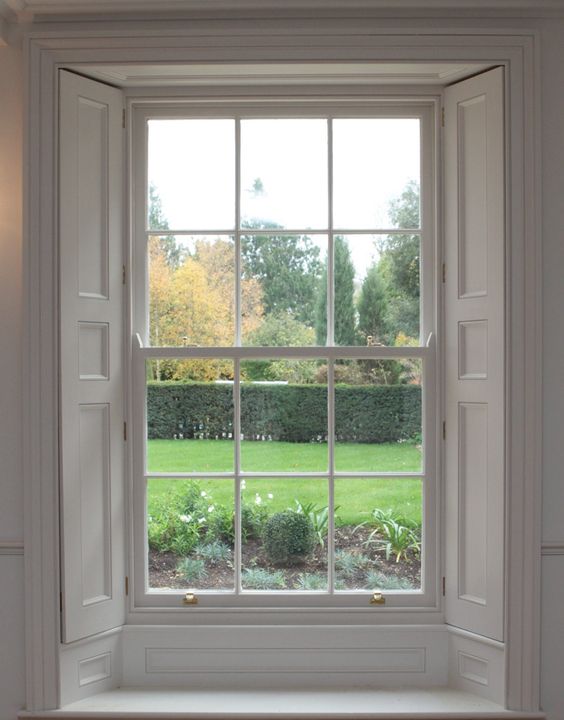
Traditional sash and case windows have been a staple of Scottish architecture since the late 17th century. Unlike modern casement windows, the sliding mechanism—counterbalanced by lead weights on a cord—allows for versatile ventilation and a slim, elegant profile that matches the vertical proportions of Georgian, Victorian, and Edwardian properties.
For those living in one of Scotland’s many Conservation Areas or Listed Buildings, timber is often the only permissible material. While planning regulations have seen a slight softening in recent years to allow for high-quality alternatives in unlisted buildings, timber remains the preferred choice for its authenticity and ability to hold value.
The 2026 Shift: Thermal Performance Meets Tradition
Historically, sash windows were synonymous with “draughty.” However, modern engineering has transformed their performance. Today’s timber sliding sash and case windows in Scotland are designed to withstand the harshest North Sea winds and Atlantic rain.
Advanced Glazing: Ultra-slim double glazing (often called “heritage glass”) allows for thermal efficiency that meets 2026 building standards while fitting into original thin-profile frames.
Draught-Proofing: Integrated weather-stripping and brush seals eliminate the rattles and cold spots typical of older units.
High-Spec Timber: The use of engineered timbers like Accoya ensures that the frames do not warp, rot, or twist, even in Scotland’s damp climate.
Planning and Regulations in Scotland
Navigating Scottish planning laws can be complex. As of the latest updates in 2024 and 2025, many homeowners in conservation areas now benefit from Permitted Development Rights for rear-facing windows. However, for the “principal elevation” (the front of your house), you will likely still need to follow a “prior notification” process with your local council.
Choosing timber ensures your application is much more likely to be approved. It demonstrates a commitment to maintaining the “like-for-like” appearance that Scottish planners value so highly.
Sustainability and Longevity
In an era of environmental consciousness, timber is the ultimate sustainable choice. Unlike uPVC, which is derived from plastics and often ends up in landfills after 20 years, a well-maintained timber sash window can last well over a century.
Furthermore, timber is a natural insulator. By upgrading to modern timber sash windows, you can achieve a U-value of 1.4 W/m²K or lower, significantly reducing your heating bills and carbon footprint—a vital consideration as Scotland pushes toward Net Zero.
Maintenance: A Shrewd Investment
While timber requires more maintenance than plastic—typically a fresh coat of paint every 8 to 10 years—it is an investment that pays off. Quality timber windows are a major selling point in the Scottish property market, often adding more value to a home than the cost of the installation itself.
Timber sliding sash and case windows are a testament to the fact that you don’t have to choose between history and comfort. Whether you are restoring a sandstone tenement or upgrading a rural cottage, timber provides the warmth, security, and elegance that defines Scottish living.
Best Massage and Facial Treatments in Stirling: Your Complete Wellness Guide
Looking for the best massage and facial treatments in Stirling? Whether you’re a local resident seeking regular relaxation or a visitor planning a wellness break, Stirling offers a range of incredible options. In this guide, we’ll walk you through top therapy styles, benefits, and tips for choosing the perfect treatment — all aimed at helping you make an informed choice.
Why Choose Massage and Facial Treatments in Stirling?
Stirling is more than just a historic city — it’s a growing hub for health, beauty, and wellness services. With experienced therapists, diverse treatment menus, and tranquil spa environments, the region caters to both therapeutic needs and pure relaxation.
From stress-relieving massages to rejuvenating facials, these services support better sleep, improved circulation, glowing skin, and overall wellbeing. Let’s explore what’s available and how to select what’s right for you.
Top Massage Treatments to Try
Swedish Massage — Classic Relaxation
One of the most popular choices, the Swedish massage Stirling uses gentle, flowing strokes to ease muscle tension and promote relaxation. Ideal for first-timers and those seeking stress relief, this treatment:
Enhances blood flow
Reduces anxiety
Helps with mild muscle soreness
💡 Tip: Book a Swedish massage after a long week or as a companion to a facial session for full-body renewal.
Deep Tissue Massage — Targeted Muscle Relief
Perfect for individuals with chronic muscle tightness, a deep tissue massage focuses on deeper layers of muscle and connective tissue. Benefits include:
Reduced muscle tension
Improved mobility
Relief from chronic pain or stiffness
💡 Best For: Active lifestyles, athletes, or anyone with persistent muscle knots.
Hot Stone Massage — Heat-Enhanced Relaxation
Enhance your massage experience with a hot stone treatment. Heated volcanic stones are placed on key areas to:
Warm and relax muscles
Improve energy flow
Deepen relaxation
This treatment is especially beneficial in colder months and pairs beautifully with aromatherapy oils.
Restore Your Glow with Facial Treatments
Classic European Facial — Refresh and Renew
A classic European facial focuses on cleansing, exfoliation, and hydration. Great for most skin types, it helps to:
Remove impurities
Improve texture and clarity
Boost natural radiance
This treatment is perfect before special events or whenever your skin needs a reset.
Anti-Aging Facial — Targeted Results
For those concerned with fine lines, firmness, and texture, an anti-aging facial incorporates specialized serums and techniques to:
Stimulate collagen production
Minimise wrinkles
Provide deep hydration and cell renewal
Look for providers in Stirling who tailor products to your skin type for optimal results.
Express Facial — Quick Skin Pick-Me-Up
Short on time but want glowing skin? The express facial delivers a targeted cleanse and hydration in under 30 minutes. It’s ideal for:
Lunch breaks
Pre-event refreshes
First-time spa visitors
Choosing the Best Spa or Therapist in Stirling
When selecting a massage or facial provider, consider the following:
Qualifications & Experience
Ensure your therapist is fully trained and accredited. Look for certifications in massage therapy, skincare, or spa management — which signal professionalism and expertise.
Treatment Menus & Customisation
The best spas offer detailed menus and tailor sessions to your needs. Ask if they provide consults before booking so treatments can be personalised.
Ambience & Customer Feedback
A calming environment enhances your experience. Read online reviews, check photos, and explore options that prioritise client comfort.
Packages & Value
Many providers offer combined packages (e.g., massage + facial) at a better rate than booking separately. This is great if you’re seeking a comprehensive wellness day.
Tips for Your First Visit
Arrive early to complete health forms and relax before your session
Communicate preferences for pressure level, areas of focus, or product sensitivities
Hydrate before and after treatments for best results
Follow after-care advice provided by therapists
Final Thoughts: Make Wellness a Priority
Exploring the best massage and facial treatments in Stirling is more than a luxury — it’s an investment in your wellbeing. From classic relaxation techniques to targeted skin therapies, there’s something for everyone. Whether you’re seeking relief from tension or glowing skin, the Stirling wellness scene delivers — leaving you refreshed, restored, and ready to take on the world.
Plan your visit, embrace self-care, and let Stirling’s top spa professionals guide you on a journey to wellbeing.
In the heart of Scotland, amidst its breathtaking landscapes and vibrant cities, lies a growing appreciation for self-care and well-being. Facial treatments have emerged as a popular way for Scots to nurture their skin, address specific concerns, and indulge in a little pampering. From luxurious spa experiences to advanced clinical procedures, Scotland offers a diverse range of facial treatments tailored to individual needs and preferences.
The Benefits of Facial Treatments Regular facial treatments offer a multitude of benefits that extend beyond mere aesthetic enhancements. These treatments, performed by trained skincare professionals, play a vital role in maintaining healthy, radiant skin.
Deep Cleansing: Throughout the day, our skin accumulates impurities, pollutants, and excess sebum that can clog pores and lead to breakouts. Professional facials employ specialized techniques and products to deeply cleanse the skin, removing these impurities and promoting a clearer complexion.
Exfoliation: The natural process of skin cell turnover can sometimes leave behind dead skin cells, resulting in dullness and uneven texture. Facial treatments often include exfoliation methods, such as scrubs, chemical peels, or dermaplaning, to remove these dead cells, revealing fresh, smoother skin and enhancing the absorption of skincare products.
Hydration and Nourishment: Dehydration can manifest as dry, flaky, and irritated skin. Facials incorporate hydrating masks, serums, and moisturizers tailored to different skin types, replenishing moisture levels and nourishing the skin with essential nutrients, leaving it plump and supple.
Targeted Treatment of Skin Concerns:
Whether it’s acne, hyperpigmentation, fine lines, or rosacea, various facial treatments are designed to address specific skin concerns. These treatments may involve specialized ingredients, techniques like extractions or LED light therapy, and personalized approaches to deliver noticeable improvements.
Anti-Aging Benefits:
As we age, collagen and elastin production naturally declines, leading to the appearance of fine lines and wrinkles. Certain facial treatments, such as microcurrent therapy, LED light therapy, and those incorporating potent antioxidants, can stimulate collagen production, improve skin elasticity, and reduce the visible signs of aging.
Improved Circulation: Facial massage, often a component of facial treatments, helps to stimulate blood flow to the skin. This increased circulation delivers oxygen and nutrients to skin cells, promoting a healthy glow and aiding in the removal of toxins. Stress Relief and Relaxation: Beyond the physical benefits, facials offer a therapeutic and relaxing experience. The soothing environment, gentle massage techniques, and the focused attention of a skincare professional can help to alleviate stress and promote a sense of well-being.
Types of Facial Treatments Available in Scotland Scotland’s skincare clinics, spas, and beauty salons offer a wide array of facial treatments to cater to diverse needs and preferences. Some of the popular types include:
Classic or Basic Facials: These typically involve cleansing, exfoliation, massage, a mask, and moisturizing. They are a good starting point for maintaining overall skin health and relaxation.
Deep Cleansing Facials: Focusing on thorough pore cleansing and extraction of blackheads and whiteheads, these facials are beneficial for congested or acne-prone skin.
Hydrating Facials: Designed to replenish moisture and combat dryness, these facials often feature hydrating masks, serums with hyaluronic acid, and gentle massage techniques.
Anti-Aging Facials: These treatments aim to reduce the signs of aging through collagen-stimulating techniques, antioxidant-rich products, and targeted treatments for fine lines and wrinkles.
Brightening Facials: Targeting dullness and uneven skin tone, these facials often incorporate vitamin C, enzymes, or gentle acids to exfoliate and promote a more radiant complexion.
Chemical Peels: These involve the application of chemical solutions to exfoliate the outer layers of the skin, improving texture, tone, and addressing concerns like acne, hyperpigmentation, and fine lines. Different types of peels are available, ranging from mild to deep.
Microdermabrasion: This non-invasive treatment uses a specialized device to gently exfoliate the skin’s surface, removing dead skin cells and revealing a smoother, brighter complexion.
Dermaplaning: A manual exfoliation technique that uses a sterile blade to gently remove the top layer of dead skin cells and fine vellus hair (peach fuzz), resulting in smoother, more radiant skin.
HydraFacial: A multi-step treatment that combines cleansing, exfoliation, extraction, hydration, and antioxidant protection, delivering noticeable results with minimal downtime.
LED Light Therapy Facials: Utilizing different wavelengths of light to address various skin concerns, such as acne (blue light), inflammation (red light), and hyperpigmentation (yellow light).
Luxury or Bespoke Facials: These are often highly customized treatments that incorporate advanced techniques, premium products, and longer treatment times for a more indulgent and comprehensive experience.
Choosing the Right Facial Treatment in Scotland
Selecting the most suitable facial treatment depends on individual skin type, concerns, and desired outcomes. Consulting with a qualified skincare professional in Scotland is crucial for a personalized recommendation. They will assess your skin, discuss your goals, and advise on the most effective treatment plan.
Factors to consider when choosing a facial treatment include:
Skin Type: Whether your skin is oily, dry, combination, sensitive, or normal will influence the types of products and techniques that are appropriate.
Skin Concerns: Identifying your primary concerns, such as acne, aging, hyperpigmentation, or sensitivity, will help narrow down the treatment options.
Desired Results: Are you looking for a quick refresh, long-term improvement in a specific condition, or a relaxing and pampering experience?
Budget and Time Commitment: Facial treatments vary in price and duration, so it’s important to consider what fits your budget and schedule.
Clinic Reputation and Expertise: Choosing a reputable clinic with experienced and qualified skincare professionals ensures a safe and effective treatment.
Incorporating Facial Treatments into Your Skincare Routine
While a consistent at-home skincare routine is essential, professional facial treatments can complement and enhance its effectiveness. Regular facials can address concerns that daily routines may not fully target, provide deeper cleansing and exfoliation, and offer professional guidance on maintaining healthy skin. The frequency of facial treatments can vary depending on individual needs and the type of treatment, but many people benefit from monthly or seasonal appointments.
Facial treatments in Scotland offer a valuable avenue for individuals to invest in their skin health and overall well-being. With a diverse range of options available, from relaxing spa facials to advanced clinical procedures, there is a treatment to suit every need and preference. By understanding the benefits, exploring the different types of facials, and consulting with experienced skincare professionals, Scots can embrace these treatments to achieve healthy, radiant skin and a renewed sense of confidence. As the appreciation for self-care continues to grow, facial treatments are poised to remain a cherished aspect of Scotland’s approach to holistic well-being.