About us
Timber sash and case windows are an iconic feature of Scottish architecture, representing a rich history that spans several centuries. Their origins trace back to the early 17th century, with the design evolving as a response to both practical and aesthetic needs. Initially, timber windows were simple wooden frames with small panes of glass, but as glass manufacturing improved and larger panes became available, sash windows began to emerge.
The term “sash” refers to the movable frame that holds the glass panes. The “case” is the outer frame that surrounds the sash. This innovative design, where one sash can be moved vertically within the frame, allowed for improved ventilation and light entry, a feature that quickly gained popularity across Britain, particularly in Scotland.
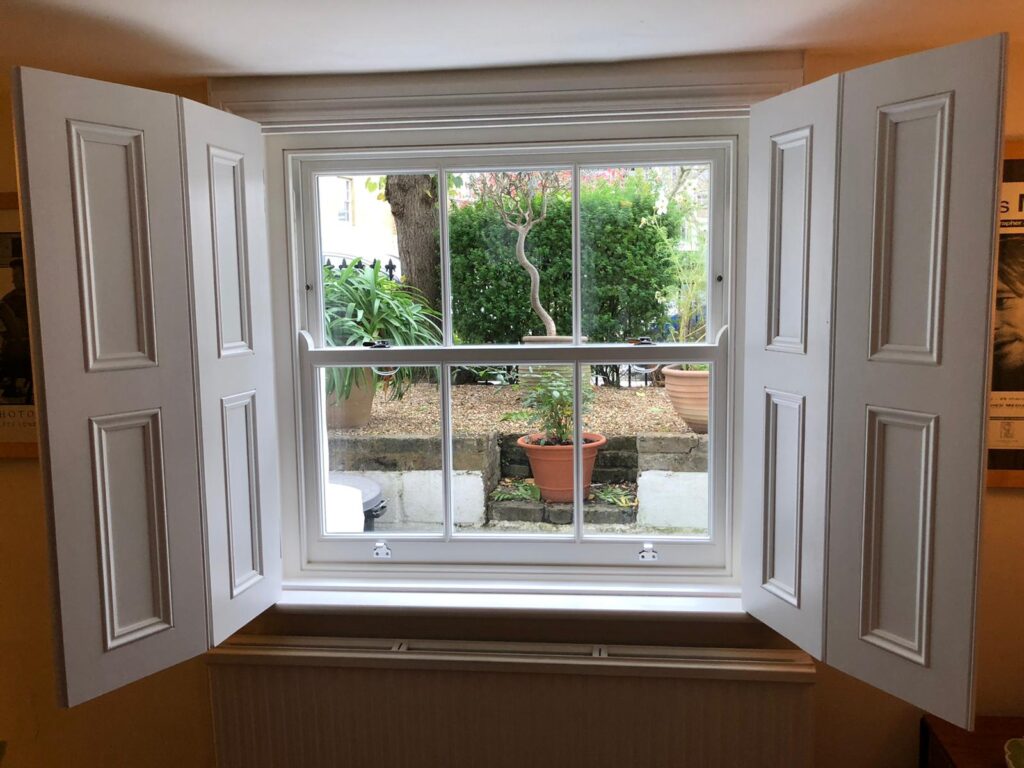
By the 18th century, sash and case windows became a standard feature of urban and suburban homes, especially in Georgian and Victorian architecture. In Edinburgh and Glasgow, grand townhouses and public buildings began to feature large, elegant timber sash and case windows that not only provided practical benefits but also contributed to the aesthetic harmony of the streetscape. The vertical sliding design was particularly suited to narrow streets and densely built environments, as it required no additional space for the windows to open outwards.
Timber, typically pine or softwood, was the material of choice for these windows, due to its availability, strength, and workability. Over the years, the craftsmanship of window makers and joiners honed the design into what we now recognize as the classic Scottish sash and case window.
The 20th century brought challenges, as the advent of modern materials like uPVC led to the decline of timber windows. However, in recent decades, there has been a revival of interest in traditional timber sash and case windows, driven by a desire to preserve Scotland’s architectural heritage and maintain the aesthetic integrity of historic buildings. These windows are now seen as a symbol of Scotland’s architectural history, and efforts to restore and maintain them have become an important aspect of conservation work across the country.